The Future of Maritime Security in Africa Is Technology-Driven
Africa’s maritime domain remains one of the continent’s most strategic economic and security assets. From critical shipping routes and offshore energy infrastructure to fisheries and international trade corridors, the security of African waters directly impacts economic growth, regional stability, and national security.
However, maritime threats continue to evolve. Piracy, illegal fishing, smuggling, maritime terrorism, cyber threats, and transnational organized crime are becoming increasingly sophisticated, requiring a shift from traditional security approaches to intelligence-led, technology-driven solutions.
Today, the future of maritime security in Africa will not be determined solely by the size of naval fleets or the reach of patrol vessels. It will be defined by how effectively nations leverage technology, intelligence, surveillance, and data analytics to predict, prevent, and respond to emerging threats.
Advancing Maritime Security Through Technology
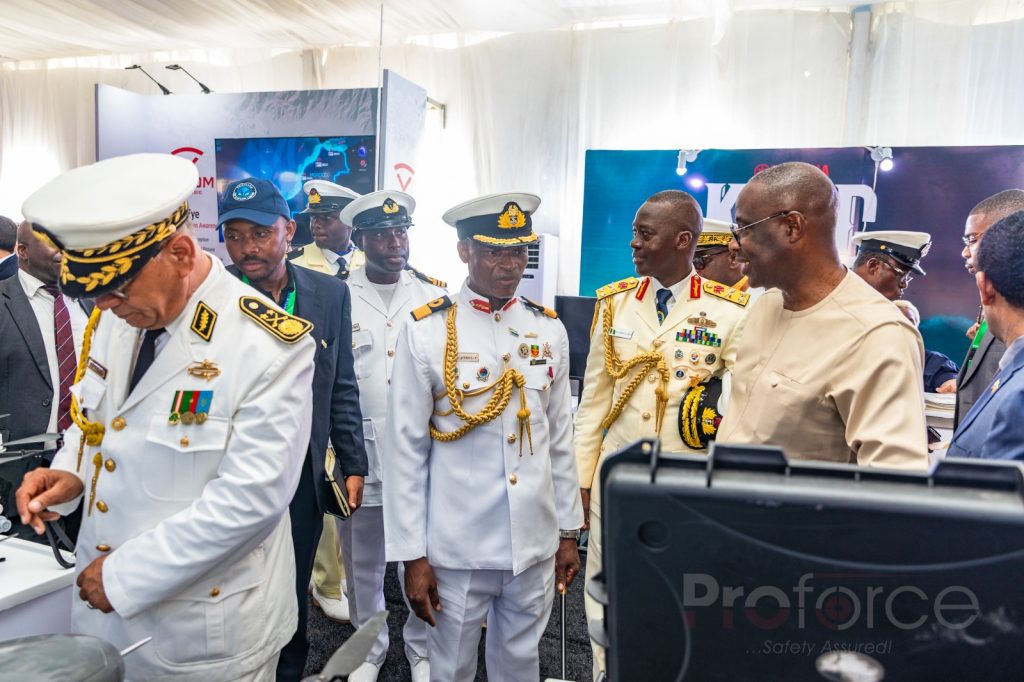
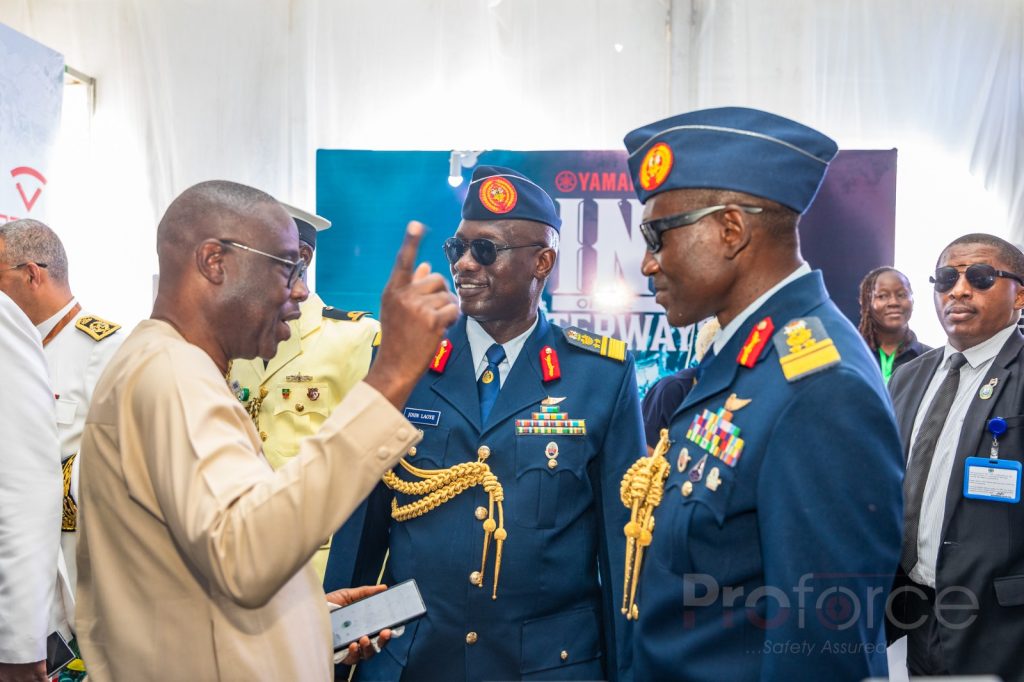
This vision was at the forefront of discussions during the Nigerian Navy’s 70th Anniversary Celebration and the 6th Sea Power for Africa Symposium and Maritime Exhibition, held from June 1–3, 2026, at the Eko Convention Center in Lagos.
The event, themed “Leveraging Technology for Enhanced Maritime Security in Africa,” brought together Chiefs of Navy, policymakers, defense experts, technology innovators, security practitioners, and industry leaders from over 40 countries.
The symposium highlighted a growing consensus among maritime stakeholders: technology is no longer an enabler of maritime security—it is becoming its foundation.
Emerging Technologies Transforming Maritime Security
Modern maritime operations increasingly rely on advanced technologies that enhance situational awareness, accelerate intelligence gathering, and improve operational effectiveness.
Key innovations showcased during the exhibition included:
Artificial Intelligence and Maritime Domain Awareness
Artificial Intelligence (AI) is rapidly transforming maritime security by enabling the analysis of vast volumes of maritime traffic, vessel behavior, and intelligence data.
AI-powered Maritime Domain Awareness (MDA) platforms can:
- Detect anomalous vessel activities
- Identify suspicious movement patterns
- Predict potential security incidents
- Improve threat assessment accuracy
- Support real-time operational decision-making
By automating data analysis, security agencies can focus resources on responding to credible threats rather than manually processing information.
Geospatial Intelligence and Advanced Surveillance
Geospatial Intelligence (GEOINT) is becoming a critical component of modern maritime operations.
Through the integration of satellite imagery, geographic information systems (GIS), remote sensing technologies, and intelligence data, maritime agencies can achieve comprehensive visibility across vast maritime environments.
Benefits include:
- Enhanced coastal monitoring
- Detection of illegal maritime activities
- Improved border security
- Faster incident response
- Better resource deployment planning
The fusion of geospatial intelligence with operational data provides decision-makers with actionable insights that improve mission effectiveness.

Autonomous and Unmanned Systems
Unmanned aerial vehicles (UAVs), autonomous surface vessels, and remote surveillance platforms are increasingly supporting maritime security operations.
These technologies enable:
- Extended surveillance coverage
- Reduced operational costs
- Improved personnel safety
- Continuous monitoring of high-risk areas
- Rapid intelligence collection
As autonomous systems become more advanced, they are expected to play an even greater role in maritime domain awareness and threat detection.
Digital Transformation and Integrated Security Platforms
The maritime security ecosystem generates enormous volumes of data from radar systems, surveillance networks, intelligence reports, vessel tracking platforms, and operational databases.
Integrated digital platforms are helping agencies consolidate and analyze this information within a unified operational framework.
This digital transformation improves:
- Information sharing
- Inter-agency collaboration
- Operational coordination
- Threat intelligence management
- Strategic decision-making
The result is a more agile and responsive maritime security architecture capable of addressing complex security challenges.
The Growing Importance of Intelligence-Led Maritime Security
Technology alone cannot secure Africa’s maritime domain. Its true value emerges when combined with intelligence-driven operations.
Intelligence enables maritime agencies to move from reactive responses to proactive threat prevention.
By integrating:
- Human Intelligence (HUMINT)
- Signals Intelligence (SIGINT)
- Geospatial Intelligence (GEOINT)
- Open-Source Intelligence (OSINT)
- Cyber Threat Intelligence
security organizations can develop a comprehensive understanding of maritime risks before they escalate into operational incidents.
The future belongs to organizations capable of transforming data into actionable intelligence and intelligence into decisive action.
Why Collaboration Is Critical for Maritime Security Success
No single agency, organization, or nation can address maritime threats alone.
Africa’s maritime challenges often cross national boundaries, requiring coordinated responses among:
- Naval forces
- Maritime law enforcement agencies
- Port authorities
- Intelligence organizations
- Technology providers
- Policymakers
- International partners
Public-private partnerships and cross-border information sharing will be essential for building a resilient maritime security ecosystem capable of addressing both current and emerging threats.
Proforce Intelligence Systems’ Vision for the Future
At Proforce Intelligence Systems Limited, we recognize that the future of maritime security lies at the intersection of intelligence, surveillance, geospatial analytics, artificial intelligence, and emerging technologies.
Our participation in the Nigerian Navy’s 70th Anniversary Celebration and the 6th Sea Power for Africa Symposium reaffirmed the growing importance of innovation in addressing Africa’s evolving security challenges.
As maritime threats become increasingly sophisticated, the ability to collect, analyze, and operationalize intelligence will determine the effectiveness of security operations across the continent.
The organizations that successfully integrate advanced technologies with intelligence-led strategies will be best positioned to protect critical maritime assets, secure trade routes, and strengthen national security.
Conclusion
Africa’s maritime future depends on more than physical assets and conventional security measures. It requires intelligent systems, advanced technologies, data-driven decision-making, and collaborative partnerships.
The discussions and innovations showcased at the Sea Power for Africa Symposium demonstrate that the maritime security sector is entering a new era—one defined by artificial intelligence, geospatial intelligence, digital transformation, and integrated security solutions.
For governments, security agencies, and technology providers, the challenge is clear: embrace innovation today to build a safer, smarter, and more secure maritime ecosystem for tomorrow.