
Introduction
The future of defence intelligence in Africa will be shaped by technology integration, regional collaboration, and the adoption of advanced analytics to enhance situational awareness and decision superiority.
Africa’s security landscape is undergoing a rapid transformation driven by evolving geopolitical dynamics, asymmetric threats, and accelerating digital adoption. Governments and defence organizations are increasingly recognizing that traditional intelligence frameworks must evolve to remain effective in a world defined by cyber warfare, hybrid threats, and real-time information flows.

The Changing Threat Landscape
African nations face a complex spectrum of security challenges including terrorism, cybercrime, border insecurity, and organized crime networks. These threats are increasingly sophisticated, leveraging digital platforms and encrypted communications to evade detection.
As a result, intelligence agencies must move beyond reactive approaches toward predictive and intelligence-driven security models.
The Rise of Data-Driven Intelligence
Modern defence intelligence is powered by data. Governments are investing in platforms capable of aggregating data from multiple sources like signals intelligence, open-source intelligence, geospatial data, and cyber intelligence to build a comprehensive threat picture.
Advanced analytics and machine learning enable analysts to identify patterns, predict threats, and support faster operational decisions.
Cyber Intelligence as a Core Capability
Cyber has become a primary domain of conflict. Defence organizations must monitor digital environments continuously to detect intrusions, protect critical infrastructure, and prevent espionage.
Establishing robust cyber threat intelligence capabilities ensures early warning and strengthens national resilience.
Importance of Indigenous Defence Innovation
Local defence technology providers play a critical role in building sustainable security ecosystems. Indigenous solutions ensure operational independence, contextual relevance, and faster deployment tailored to regional realities.
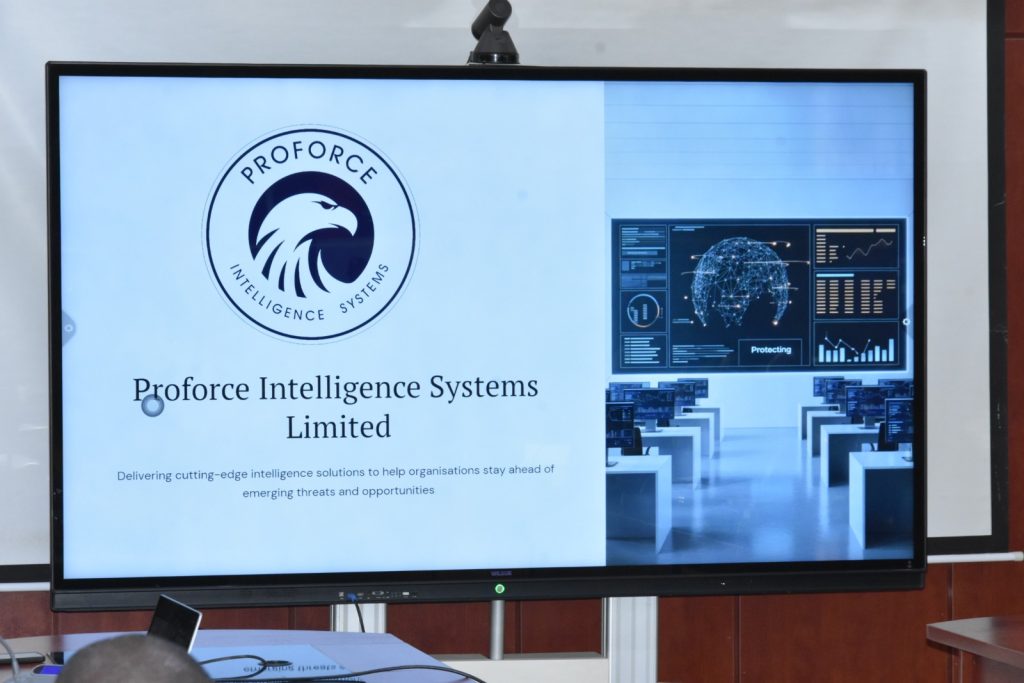
Strategic Collaboration
Regional intelligence sharing and public-private partnerships are becoming essential. Collaboration enables faster threat response and strengthens collective security capabilities across borders.
Key Takeaways
Defence intelligence is shifting toward predictive, data-driven models
Cyber intelligence is now central to national security
Indigenous innovation strengthens sovereignty
Collaboration enhances resilience
Conclusion
The future of defence intelligence in Africa lies in embracing technology, strengthening partnerships, and building adaptive intelligence frameworks capable of responding to emerging threats.
Organizations that invest in advanced intelligence capabilities today will be better positioned to safeguard national interests tomorrow.
Contact our experts to learn how advanced intelligence solutions can strengthen your organization’s security posture.